Healthcare facilities across the United States face unique challenges when it comes to pest control. While your medical team focuses on treating various health conditions, you may also need to address multiple pest threats that can compromise patient safety and facility hygiene standards.
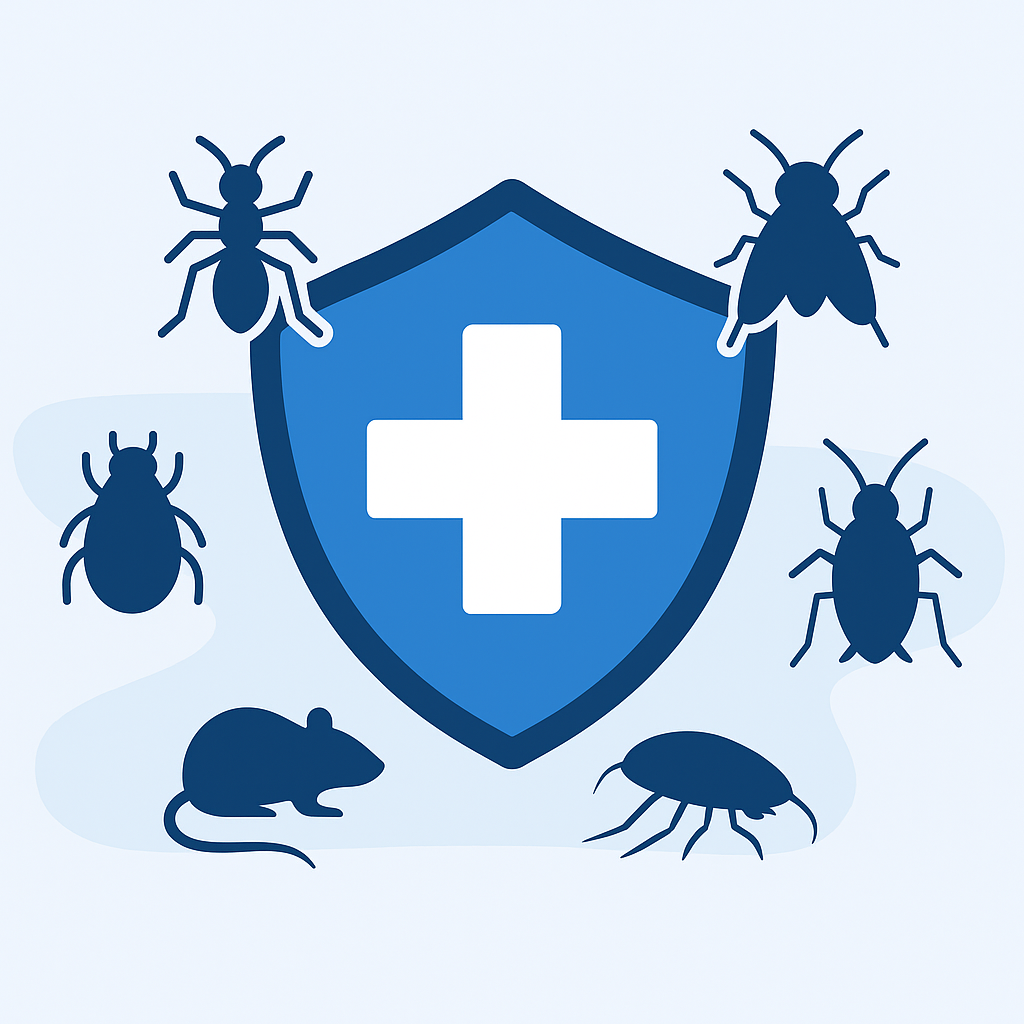
The reality is stark: common pests like ants, bed bugs, cockroaches, flies, and rodents pose serious risks to healthcare environments. Each of these unwelcome visitors brings distinct dangers that require immediate attention and professional pest management solutions.
Consider the health implications: house flies can transmit disease-causing microorganisms every time they land on surfaces. According to the Centers for Disease Control and Prevention (CDC), mice and rats are notorious carriers of dangerous bacteria including Salmonella and E. coli. These rodents are also linked to hantavirus transmission and over 35 other serious diseases.
Patients with compromised immune systems face elevated infection risks, making pest prevention absolutely critical in healthcare settings. Even minor pest activity can have major consequences for vulnerable patients.
Main Customer Support (USA)
Call Timing – Monday–Friday: 8am – 8pm
Saturday–Sunday: 9am – 6pm
Call Us – +1 (833) 246-4565
Here’s what every healthcare facility manager should know about the most common pest threats:
Ants: These resilient insects adapt their diet over time, maintain massive colony populations, travel extensive distances for food sources, and fiercely protect their nests. Their persistence makes them particularly challenging for busy healthcare environments.
Bed Bugs: As exclusive blood feeders, these pests depend entirely on human hosts. They reproduce rapidly and spread quickly throughout facilities, though they’re not known to transmit diseases directly. However, their presence creates significant patient comfort and facility reputation issues.
Cockroaches: Perhaps the most concerning pest for healthcare facilities, cockroaches spread diseases, contaminate food supplies, trigger allergic reactions, and can even cause asthma attacks in sensitive individuals.
Flies: Multiple fly species threaten healthcare facilities, including house flies, phorid flies, cluster flies, blow flies, and fruit flies. House flies are particularly dangerous, carrying twice as many pathogens as cockroaches and associating with over 100 different disease-causing organisms.
24/7 Emergency Helpdesk
Call Time – 24/7 All Day
Emergency Line – +1 (833) 974-5257
Rodents: Known carriers of numerous deadly diseases, rats and mice don’t need large entry points to invade facilities. Rats can squeeze through openings as small as a quarter, while mice can fit through holes smaller than a dime.
Modern healthcare pest control requires integrated pest management strategies that combine prevention, monitoring, and targeted treatment approaches. Professional pest control services understand the unique challenges healthcare facilities face, including strict sanitation requirements, patient safety concerns, and regulatory compliance needs.
The most effective pest management programs for healthcare facilities include regular inspections, staff education, exclusion techniques, and environmentally responsible treatment methods. These comprehensive approaches help maintain the sterile, safe environments that patients and staff deserve.
Don’t let pests compromise your facility’s reputation or patient safety. Professional pest control specialists can develop customized treatment plans that address your specific challenges while maintaining compliance with healthcare regulations and safety standards.
Nationwide Pest Control Assistance
For immediate help anywhere in the USA, contact:
+1 (833) 246-4565
or reach our emergency hotline at +1 (833) 974-5257
Remember, pest control in healthcare settings isn’t just about comfort—it’s about protecting vulnerable patients, maintaining facility standards, and ensuring regulatory compliance. When pest issues arise, quick professional intervention can prevent minor problems from becoming major health hazards.
About the Author