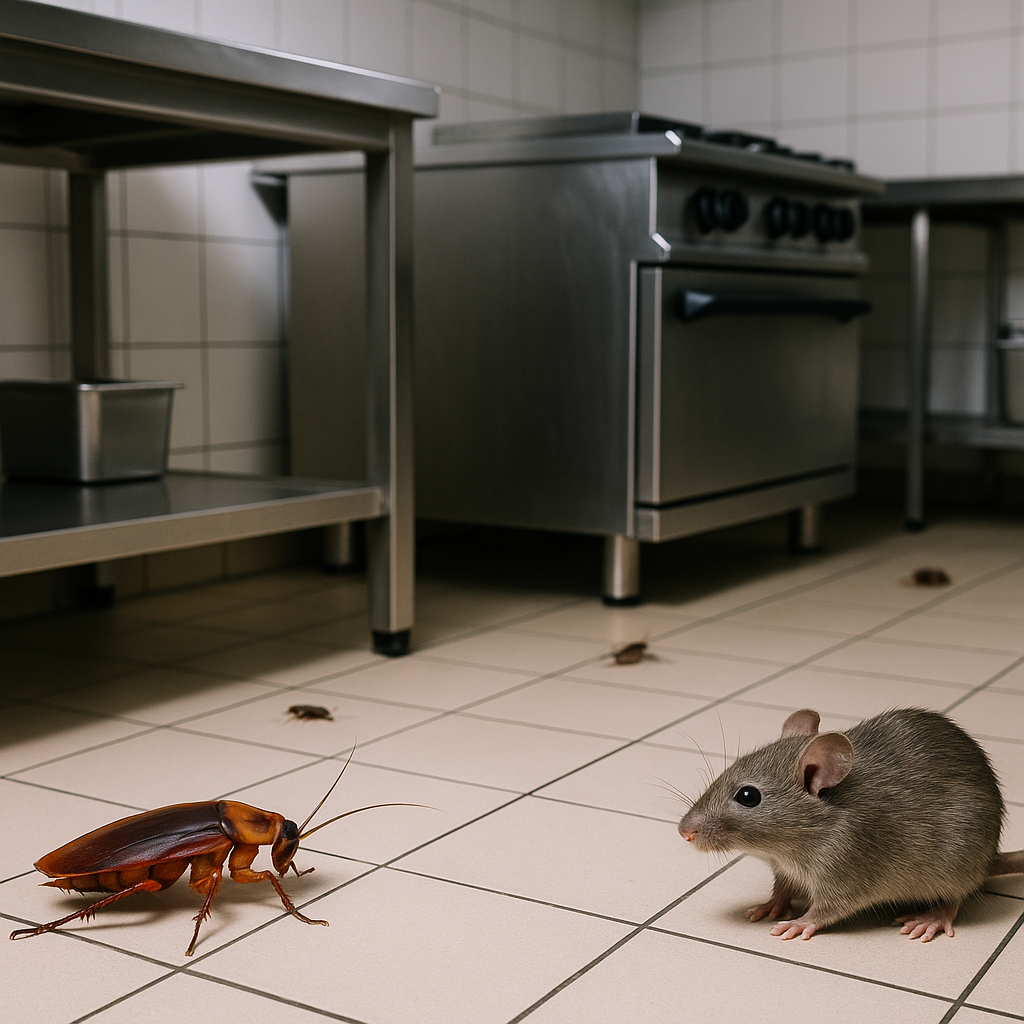
The nightmare scenario for any restaurant owner or food service manager is unmistakable: a customer spots a cockroach scurrying across the floor or a mouse darting behind the kitchen equipment. Beyond the immediate embarrassment, these pest encounters can devastate your business through disease transmission, foodborne illness outbreaks, and permanent reputation damage.
Recent industry surveys reveal a sobering reality—half of all restaurant patrons have witnessed pest activity during dining visits within the past year. Even more alarming, 76 percent of customers say they would never return to an establishment after spotting multiple pests anywhere on the premises. These statistics underscore a critical truth: effective commercial pest control services aren’t just about compliance—they’re essential for business survival.
Food service establishments across America face constant pressure from disease-carrying pests that threaten both customer safety and operational continuity. Rodents, cockroaches, and flies don’t simply create unsightly conditions; they serve as vectors for over 250 documented foodborne illnesses tracked by the Centers for Disease Control and Prevention. The financial implications of pest-related shutdowns, legal liability, and lost customer trust can prove catastrophic for businesses of any size.
Understanding the Hidden Costs of Pest Infestations
Professional integrated pest management experts emphasize that the true cost of pest problems extends far beyond immediate extermination expenses. Disease transmission represents the most serious threat, with common restaurant pests carrying pathogens responsible for salmonella, E. coli, listeria, and dozens of other dangerous bacteria.
Rodents alone can transmit more than 35 different diseases through their droppings, urine, and saliva contamination of food preparation surfaces. Cockroaches spread harmful bacteria including staphylococcus and streptococcus, while flies transfer pathogens from unsanitary environments directly onto food and equipment. These microscopic threats create liability risks that can result in costly lawsuits, regulatory violations, and mandatory closures.
Implementing Proactive Prevention Strategies
Leading pest control companies near me recommend comprehensive prevention approaches that address root causes rather than simply responding to active infestations. Successful restaurant pest control programs combine multiple strategies including thorough sanitation protocols, structural modifications, and ongoing monitoring systems.
Critical prevention measures include eliminating unnecessary food and water sources, storing all ingredients in airtight containers, maintaining rigorous cleaning schedules between shifts, and promptly disposing of garbage. Facility managers should also prioritize sealing cracks and crevices in exterior walls, installing door sweeps, and addressing moisture issues that attract pests.
The Value of Professional Pest Management Services
While basic sanitation practices form the foundation of effective pest control, professional commercial pest control services provide specialized expertise and advanced treatment options unavailable to in-house staff. Licensed technicians can identify potential problem areas before they become serious infestations, implement targeted treatment protocols, and establish ongoing monitoring systems.
Modern pest control services utilize integrated pest management approaches that minimize chemical usage while maximizing effectiveness. These programs typically include regular inspections, customized treatment plans, detailed reporting systems, and staff training components that help maintain long-term success.
Emergency Response and 24/7 Support
Pest emergencies don’t follow business hours, which is why many establishments require access to round-the-clock professional support. When customers spot pests during peak dining hours or health inspectors discover violations, immediate response becomes crucial for damage control.
Main Customer Support (USA)
Call Timing – Monday–Friday: 8am – 8pm
Saturday–Sunday: 9am – 6pm
Call Us – +1 (833) 246-4565
24/7 Emergency Helpdesk
Call Time – 24/7 All Day
Emergency Line – +1 (833) 974-5257
Regulatory Compliance and Documentation
Food service establishments face stringent regulatory oversight from local health departments, state agencies, and federal inspectors. Professional pest control specialists understand these compliance requirements and provide detailed documentation that demonstrates proactive management efforts during inspections and audits.
Proper record-keeping includes treatment logs, inspection reports, pest monitoring data, and corrective action documentation. This paperwork proves invaluable during health department visits and can help establish due diligence in the event of pest-related incidents or customer complaints.
Choosing the Right Pest Control Partner
Selecting an appropriate pest control service requires careful evaluation of experience, licensing, insurance coverage, and industry-specific expertise. Reputable companies provide comprehensive proposals outlining treatment methods, monitoring schedules, reporting procedures, and guarantee terms.
Look for providers offering eco-friendly pest control options that minimize environmental impact while maintaining effectiveness. Many modern programs emphasize non-chemical approaches including exclusion techniques, habitat modification, and biological controls that reduce reliance on traditional pesticides.
Cost-Benefit Analysis of Professional Services
While professional pest management services require ongoing investment, the cost typically represents a fraction of potential losses from pest-related incidents. Consider that a single foodborne illness outbreak can result in hundreds of thousands of dollars in legal fees, medical claims, lost revenue, and reputation repair costs.
Effective commercial extermination programs also reduce waste from contaminated inventory, minimize staff time spent addressing pest issues, and help maintain positive customer relationships that drive repeat business and referrals.
Seasonal Considerations and Pest Behavior
Pest activity varies significantly throughout the year, with different species becoming problematic during specific seasons. Spring and summer months typically see increased fly and ant activity, while fall weather drives rodents indoors seeking shelter and food sources.
Professional pest control technicians adjust treatment protocols based on seasonal patterns, weather conditions, and species-specific behaviors. This proactive approach helps prevent problems before they develop into serious infestations requiring extensive remediation efforts.
Nationwide Pest Control Assistance
For immediate help anywhere in the USA, contact:
+1 (833) 246-4565
or reach our emergency hotline at +1 (833) 974-5257
Technology Integration and Modern Solutions
Today’s pest control industry leverages advanced technology including digital monitoring systems, smartphone-based reporting platforms, and data analytics tools that improve service delivery and treatment effectiveness. These innovations provide real-time insights into pest activity patterns and help optimize treatment strategies.
Smart monitoring devices can detect rodent activity, track insect populations, and alert technicians to potential problems before they become visible to customers or staff. This technology-driven approach represents the future of professional pest management and offers significant advantages over traditional reactive methods.
Training and Education for Food Service Staff
Successful pest control programs require active participation from all team members, not just management personnel. Regular staff training helps employees identify early warning signs, understand proper sanitation procedures, and know when to contact professional services for assistance.
Educational components should cover pest identification, reporting procedures, prevention techniques, and safety protocols related to pest control activities. Well-informed staff members serve as the first line of defense against pest problems and can help maintain program effectiveness between professional service visits.
Protecting Your Business Investment
Restaurant and food service operations represent significant financial investments that require protection from various operational risks. Pest-related threats rank among the most serious challenges facing these businesses, with potential consequences including regulatory violations, customer injuries, reputation damage, and business closure.
Comprehensive pest control programs provide essential protection for these investments while supporting long-term operational success. By partnering with experienced professionals and implementing proactive management strategies, food service establishments can minimize pest-related risks and focus on delivering exceptional customer experiences.
The choice between reactive pest control and proactive management often determines the difference between minor inconveniences and major business disasters. Smart operators recognize that professional pest control services represent essential insurance policies for their operations, protecting against threats that could otherwise destroy years of hard work and investment in moments.
About the Author