Healthcare facilities across the United States face mounting pressure to deliver exceptional patient care while maintaining strict compliance standards. Among the many regulatory requirements, one critical aspect often overlooked is pest management compliance with Joint Commission standards. For healthcare administrators seeking comprehensive pest control service solutions, understanding these requirements is essential for maintaining accreditation and ensuring patient safety.
The Joint Commission’s influence extends far beyond clinical protocols and staff training requirements. Their comprehensive standards encompass facility management, including stringent guidelines for pest control company partnerships and integrated pest management programs. Healthcare facilities must demonstrate compliance across multiple areas to maintain their accreditation status.
Professional pest exterminator services specializing in healthcare environments understand these unique challenges. Whether you need emergency pest control or routine preventive services, partnering with experienced providers ensures your facility meets all regulatory requirements while protecting patients and staff from pest-related health risks.
Inventory Management and Documentation Requirements
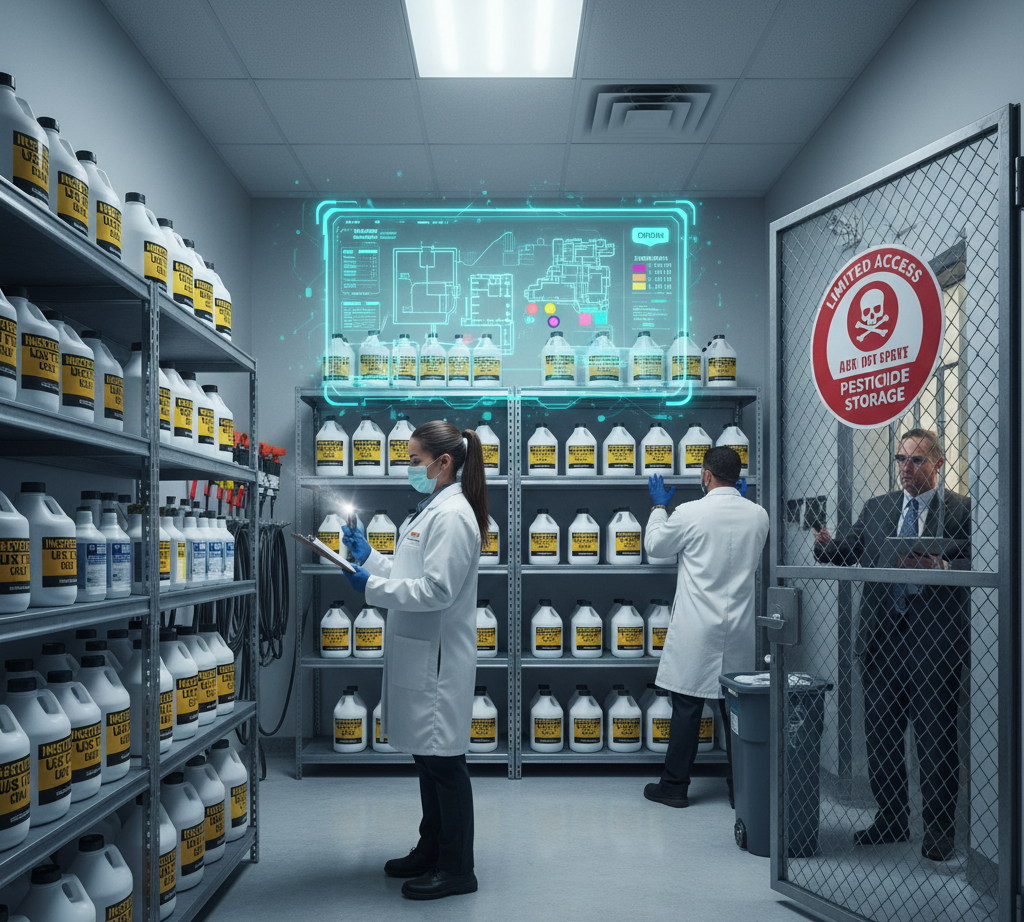
Effective compliance begins with comprehensive inventory management. Healthcare facilities must maintain detailed records of all hazardous materials, including pesticide treatments used throughout their premises. This inventory should include precise documentation of disposal procedures, storage protocols, and usage tracking over time.
Your pest control near me provider should assist in developing reduction plans for hazardous material inventory. Professional commercial pest control services often provide detailed documentation that supports Joint Commission compliance efforts. For facilities requiring urgent pest control interventions, having these systems in place ensures rapid response without compromising regulatory standards.
Staff access to current inventory information remains crucial for compliance verification. Whether dealing with routine treatments or 24 hour pest control emergencies, all personnel should understand proper handling and disposal procedures for pest management materials.
Implementation of Integrated Pest Management Programs
The Joint Commission requires healthcare facilities to implement comprehensive IPM programs that minimize risks associated with hazardous material handling, storage, and disposal. Staff training programs should emphasize prevention strategies and proper protocols for pest management activities.
Key implementation requirements include utilizing least-toxic pesticide applications as final resort measures. Your local pest control provider should prioritize non-chemical methods such as traps, barriers, and exclusion techniques. Professional services like orkin pest control, terminix pest control, or ehrlich pest control often provide comprehensive IPM programs designed specifically for healthcare environments.
Documentation requirements extend to restricted pesticide usage verification. Facilities must demonstrate that prohibited substances are never utilized within patient care areas. Best pest control service providers maintain detailed logs of all treatments, ensuring compliance with both Joint Commission standards and local regulations.
Focus areas should include accurate pest identification and continuous monitoring protocols. Whether addressing ant control service needs, cockroach control issues, or bed bug treatment requirements, proper identification ensures targeted, effective interventions that minimize chemical usage.
Documentation and Record-Keeping Standards
Maintaining current documentation represents a cornerstone of Joint Commission compliance. Healthcare facilities must keep updated permits, safety data sheets, and certifications required by law and regulation. This includes pesticide applicator licenses for all personnel involved in pest management activities.
Training records for staff members require regular updates and comprehensive documentation. Your residential pest control or commercial pest control provider should offer training support that meets Joint Commission requirements. Companies like rentokil pest control, truly nolen pest control, or regional providers such as clark pest control and bulwark pest control often include staff training as part of their service packages.
Current IPM program documentation should demonstrate proactive approaches aimed at reducing chemical usage. Whether working with arrow exterminators, sage pest control, or aptive pest control, ensure your provider maintains comprehensive records that support compliance verification efforts.
Addressing Program Gaps and Continuous Improvement
Regular program evaluation helps identify potential compliance gaps before they become problematic. Partner with your pest management provider to conduct thorough assessments of current protocols and procedures. Companies like hawx pest control, moxie pest control, or home team pest defense often provide compliance auditing services.
Performance improvement documentation should capture all evidence of compliance efforts and program enhancements. Whether addressing termite control service needs, spider control service requirements, or mosquito control near me concerns, maintain detailed records of all interventions and outcomes.
For facilities experiencing specific pest challenges, specialized services may be necessary. Roach exterminator services, ant exterminator near me providers, or bed bug exterminator specialists should all operate within Joint Commission compliance frameworks.
Emergency Response and After-Hours Services
Healthcare facilities operate continuously, making emergency exterminator services essential for maintaining compliance. After hours pest control and weekend pest control services ensure rapid response to urgent situations without compromising patient care or regulatory standards.
Rapid pest control service providers should maintain compliance documentation even during emergency interventions. Fast exterminator response teams must follow established protocols while addressing immediate concerns. Same day exterminator services should never compromise long-term compliance efforts.
For immediate pest control needs, contact professional services during business hours: Monday-Friday: 8am-8pm, Saturday-Sunday: 9am-6pm. Emergency situations requiring immediate pest removal can be addressed through 24/7 all day service lines.
Specialized Treatment Programs
Healthcare facilities often require specialized pest management approaches. Termite treatment company services must coordinate with facility operations to minimize disruption while ensuring comprehensive protection. Major providers like orkin exterminator, terminix exterminator, or ehrlich exterminator services maintain specialized healthcare divisions.
Services such as orkin pest service, orkin termite control, and orkin inspection programs are designed to meet healthcare compliance requirements. Similarly, terminix pest service, terminix inspection, and terminix bed bug treatment programs address specific healthcare facility needs.
Regional providers including greenix pest control and western exterminator often specialize in healthcare compliance programs. These services understand the unique challenges of maintaining pest-free environments while adhering to strict regulatory standards.
Contact Information for Professional Services
For comprehensive pest control solutions that meet Joint Commission standards, contact professional services at +1 (833) 246-4565 during regular business hours or +1 (833) 974-5257 for 24/7 emergency response. Professional providers offer specialized programs for healthcare facilities, ensuring compliance while maintaining effective pest management protocols.
Whether you need routine pest removal service or specialized treatments, working with experienced healthcare pest management providers ensures your facility maintains Joint Commission compliance while protecting patients, staff, and visitors from pest-related health risks.
About the Author