Call Timimg – Monday- Friday: 8am- 8pm.
Saturday – Sunday: 9am – 6pm.
Call time– 24/7 All Day.
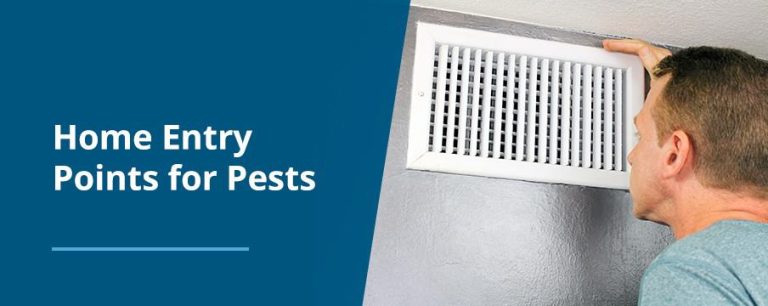
Every homeowner faces an unwelcome truth: pests view your house as the perfect five-star resort, complete with climate control, dining options, and cozy hiding spots. From tiny ants marching through microscopic cracks to raccoons boldly descending chimneys like furry burglars, these uninvited guests are constantly searching for new ways to infiltrate your sanctuary.
While calling a professional pest control service becomes necessary when infestations take hold, understanding common entry points empowers you to take preventive action. Whether you’re searching for “pest control near me” or planning DIY prevention, knowing where creatures breach your home’s defenses is half the battle won.
The reality is stark: if there’s a way in, pests will find it. But armed with the right knowledge and preventive measures, you can significantly reduce the chances of needing emergency pest control or urgent pest control services down the road.
Foundation Cracks: The Underground Highway System
Your home’s foundation serves as the first line of defense against ground-dwelling invaders, but cracks in this concrete barrier create superhighways for insects and small rodents. These openings typically appear at the base of exterior walls, particularly in areas underneath decks or crawl spaces where moisture and temperature fluctuations cause concrete to expand and contract.
Most insects can squeeze through surprisingly small gaps, while mice can fit through openings as narrow as a dime. When homeowners discover these entry points, many immediately search for a “pest exterminator near me” or contact their local pest control service. However, smaller foundation cracks can often be addressed through DIY methods.
To seal foundation vulnerabilities, start by thoroughly cleaning debris from any visible cracks. Apply a vinyl concrete patch mixed with latex according to manufacturer instructions, ensuring complete coverage. For larger structural issues, consult both a foundation specialist and a pest control company to address both the structural problem and any existing pest activity.
Call Timimg – Monday- Friday: 8am- 8pm.
Saturday – Sunday: 9am – 6pm.
Call time– 24/7 All Day.
Roof Access: The Aerial Invasion Route
Your roof protects against rain, snow, and sun, but compromised roofing also provides easy access for flying and climbing pests. Squirrels, bats, various insects, and even mice can exploit roof vulnerabilities to establish colonies in attics and wall spaces.
The connection between water damage and pest entry is crucial to understand. Anywhere moisture penetrates, pests likely can too. This parallel makes roof maintenance doubly important for both structural integrity and pest prevention.
Professional residential pest control experts often recommend annual roof inspections, but homeowners can perform basic checks themselves. Apply roof sealant around connections between roofing materials and walls, chimney joints, and vent penetrations. Replace missing or damaged shingles promptly, and consider installing gutter guards to prevent debris accumulation that creates pest harborage.
Doorways: The Obvious Yet Overlooked Entrances
Even when doors remain closed, gaps around frames create convenient pest highways. Insects particularly exploit these spaces, with ants, cockroaches, and various flying pests using door gaps as regular entry routes.
Many homeowners requiring ant control service or cockroach control discover that doorway gaps contributed significantly to their pest problems. The good news is that door sealing ranks among the easiest and most cost-effective prevention measures available.
Install door sweeps along bottom edges to eliminate gaps between doors and thresholds. Examine door frames carefully when doors are closed, looking for light penetration or air movement that indicates gaps. Apply thin caulk lines to seal these spaces without preventing proper door operation.
Utility Lines and Vents: The Hidden Highways
Every home contains numerous penetrations where pipes, electrical lines, cable connections, and ventilation systems pass through walls. Builders often leave gaps around these utilities, creating perfect pest entry points that remain hidden from casual observation.
Mice and insects regularly exploit these openings, establishing travel routes between wall spaces and living areas. Homeowners dealing with recurring pest issues often discover that utility penetrations provided the initial access point, leading them to seek pest removal service assistance.
Locate all utility entry points around your home’s exterior and interior. Seal gaps around pipes with appropriate caulk, ensuring flexibility for thermal expansion. For electrical penetrations, pack steel wool into larger openings before applying caulk, creating a chew-resistant barrier that rodents cannot penetrate.
Garage Spaces: The Compromise Zone
Garages often serve as transitional spaces between indoor and outdoor environments, leading many homeowners to apply less stringent pest prevention measures. This approach creates vulnerabilities that larger pests readily exploit, including raccoons, squirrels, birds, and various rodents.
Garage doors present particular challenges due to their size and mechanical operation requirements. Weather seals along door edges deteriorate over time, while bottom gaskets may compress or tear, creating entry gaps.
Inspect garage door gaskets and weather seals regularly, replacing damaged components promptly. Install rodent guards along bottom seals to prevent chewing damage. Consider adding 24 hour pest control monitoring in garages where valuable items or pet food storage might attract persistent pest pressure.
Call Timimg – Monday- Friday: 8am- 8pm.
Saturday – Sunday: 9am – 6pm.
Call time– 24/7 All Day.
Siding Vulnerabilities: The Structural Weakness
Wooden siding creates unique pest challenges because the material itself can become food for certain species. Termites and carpenter ants don’t just use wooden siding for entry—they consume it, creating expanding networks of tunnels and galleries.
Unlike other entry points requiring existing gaps, wood-destroying pests create their own access routes. This capability makes wooden siding particularly vulnerable and often necessitates professional termite control service intervention.
Inspect wooden siding regularly for small holes, sawdust accumulations, or hollow-sounding areas that might indicate internal damage. Fill minor holes with wood filler, but larger damage or suspected termite activity requires immediate professional assessment from a qualified termite treatment company.
Chimney Access: The Vertical Highway
Chimneys provide direct vertical access from roof level to interior spaces, making them attractive to climbing animals seeking shelter. Raccoons, squirrels, and various bird species regularly use chimney access, often establishing nests in flue systems or connected spaces.
Uncapped chimneys essentially function as open invitations for wildlife intrusion. Animals entering through chimneys may become trapped, die within the system, or establish permanent residence that requires professional pest exterminator removal.
Install properly sized chimney caps or fine mesh screening that permits smoke ventilation while preventing animal access. Ensure caps include spark arresters where required by local fire codes, and inspect annually for damage or displacement.
Human Transport: The Unwitting Accomplice
People themselves often serve as pest transport mechanisms, inadvertently carrying hitchhiking species into homes. Ticks, lice, bed bugs, and various other pests exploit human and pet mobility to access new environments.
This entry method explains why even well-sealed homes sometimes experience sudden pest appearances, particularly bed bug treatment situations where infestations seem to appear without obvious explanation.
Develop post-outdoor activity inspection routines, particularly after hiking, camping, or visiting areas with known pest activity. Check clothing, bags, and pets before entering the house. Maintain good personal hygiene practices and wash outdoor clothing promptly after use.
When Professional Intervention Becomes Necessary
Despite best prevention efforts, some pest situations require professional expertise. Established infestations, structural damage, or species requiring specialized treatment approaches often exceed DIY capabilities.
Major pest control companies like Orkin pest control, Terminix pest control, Ehrlich pest control, Rentokil pest control, and Truly Nolen pest control offer comprehensive services ranging from inspection to treatment to ongoing prevention. Regional providers like Clark pest control, Bulwark pest control, Arrow exterminators, Sage pest control, Aptive pest control, Hawx pest control, Moxie pest control, Home Team Pest Defense, Greenix pest control, and Western Exterminator provide localized expertise.
Consider professional consultation when DIY prevention fails, when structural modifications exceed your capabilities, or when pest species present health or safety concerns. Many companies offer same day exterminator services for urgent situations, while others provide weekend pest control appointments for working homeowners.
The Best Defense Strategy
Effective pest prevention requires comprehensive understanding of potential entry points combined with proactive maintenance practices. While no home can be made completely pest-proof, systematic attention to common vulnerabilities dramatically reduces infestation likelihood.
Whether you choose DIY approaches or professional pest control service assistance, remember that prevention consistently costs less than treatment. Regular inspections, prompt repairs, and ongoing maintenance create the foundation for long-term pest prevention success.
For homeowners facing active pest problems or seeking professional prevention services, consulting with the best pest control service in your area ensures access to current treatment methods and local species expertise. Many providers offer commercial pest control services as well, making them valuable resources for business owners facing similar challenges.
Don’t wait until minor pest signs become major infestations. Whether you need immediate pest removal, rapid pest control service, or simply want professional prevention advice, taking action today protects your home and family from tomorrow’s pest problems.
Call Timimg – Monday- Friday: 8am- 8pm.
Saturday – Sunday: 9am – 6pm.
Call time– 24/7 All Day.
About the Author