Did you know that as local hospitals close across America, the possibility of patients bringing more pests to regional medical centers is actually increasing? This might sound surprising, but there’s a clear connection between hospital consolidation and pest control challenges that every healthcare facility should understand.
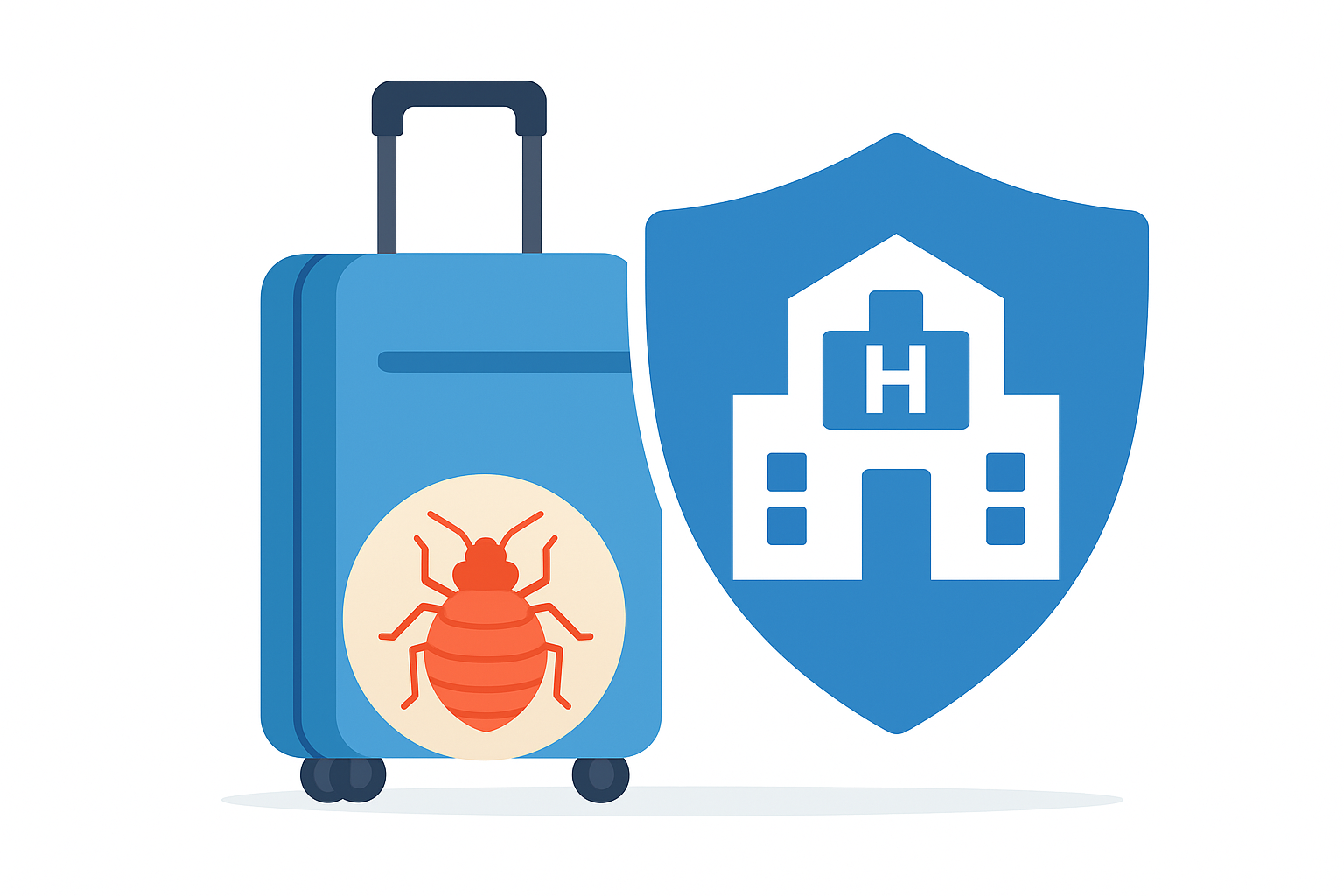
When people travel for medical care – especially for overnight stays or extended treatments – they become more vulnerable to encountering bed bugs in transient settings like hotels, motels, and temporary accommodations. Unfortunately, these unwanted hitchhikers often make their way into healthcare facilities on the personal belongings of patients and their families.
This issue is becoming more pressing as nearly 300 rural hospitals across 39 states face closure due to financial instability, according to recent industry reports. But it’s not just rural communities affected by this trend. A growing number of Americans are willing to travel greater distances for specialized medical care, with nearly half of patients now seeking treatment far from home when they need the best possible care.
What does this mean for your healthcare facility? Your staff needs to stay vigilant for pests that can travel on clothing, personal items, and comfort objects like favorite pillows. Bed bugs remain the number one concern among hitchhiking pests in medical settings.
The Healthcare Pest Challenge
Healthcare facilities face unique pest control challenges. Unlike other commercial properties, hospitals and medical centers must maintain the highest standards of cleanliness while accommodating vulnerable patients, visiting families, and essential medical equipment. When patients travel from distant locations, they may unknowingly introduce pests that have been picked up during their journey.
Bed bugs are particularly problematic because they’re excellent at hiding in luggage, clothing, and personal belongings. Once inside a healthcare facility, they can quickly spread to patient rooms, waiting areas, and even staff areas if not addressed immediately.
Why Professional Pest Control Matters
Healthcare facilities cannot afford to take chances with pest problems. Effective pest management in medical settings requires specialized knowledge, hospital-grade treatment methods, and ongoing monitoring to ensure complete elimination without compromising patient safety.
Professional pest control services understand the unique requirements of healthcare environments. They use integrated pest management approaches that prioritize patient safety while delivering thorough, long-lasting results. This includes careful selection of treatment products, strategic placement of monitoring devices, and comprehensive staff training on prevention techniques.
Prevention and Early Detection
The key to managing pest problems in healthcare settings is early detection and immediate response. Staff should be trained to recognize signs of bed bug activity, including small blood stains on bedding, dark spots on mattresses, and reports of bites from patients or visitors.
Regular inspections of patient rooms, especially those housing patients who have traveled from distant locations, can help catch problems before they spread. Pay particular attention to areas around beds, upholstered furniture, and places where personal belongings are stored.
Get Professional Help When You Need It
Don’t let pest problems compromise your facility’s reputation or patient care standards. When you suspect bed bugs or other pests in your healthcare facility, immediate professional intervention is essential.
Main Customer Support (USA)
Call Timing – Monday–Friday: 8am – 8pm
Saturday–Sunday: 9am – 6pm
Call Us – +1 (833) 246-4565
24/7 Emergency Helpdesk
Call Time – 24/7 All Day
Emergency Line – +1 (833) 974-5257
Nationwide Pest Control Assistance
For immediate help anywhere in the USA, contact:
+1 (833) 246-4565
or reach our emergency hotline at +1 (833) 974-5257
As healthcare continues to evolve and patients travel farther for specialized care, pest control becomes an increasingly important aspect of facility management. By staying proactive and working with experienced pest control professionals, healthcare facilities can maintain the clean, safe environment that patients and families deserve.
Remember, when it comes to pest control in healthcare settings, quick action and professional expertise make all the difference. Don’t wait until a small problem becomes a major infestation – contact pest control specialists at the first sign of trouble.
About the Author