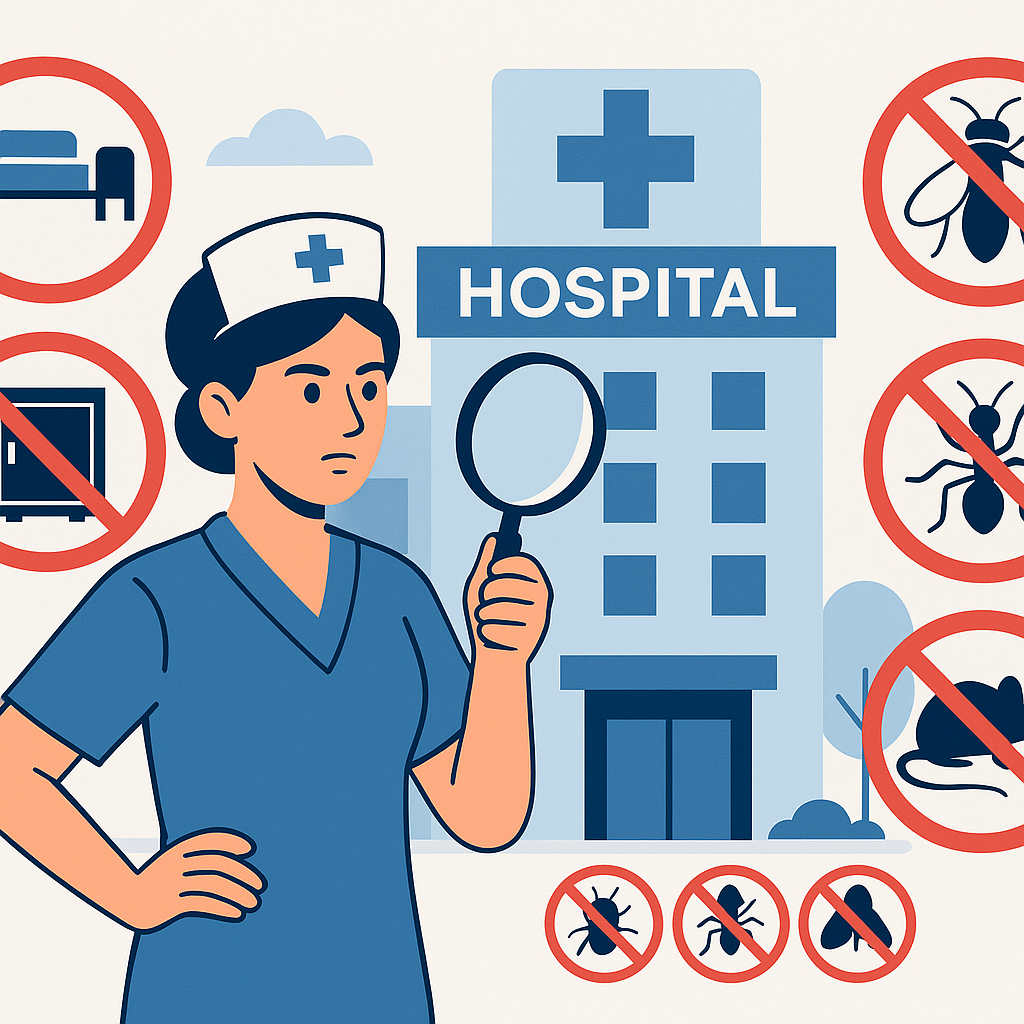
In America’s healthcare industry, maintaining a strict pest control protocol isn’t just recommended—it’s mandatory. With constant exposure to pathogens and the need for sterile environments, rigorous sanitation and building maintenance routines are critical for providing a safe, healthy environment for patients, staff, and visitors across the United States.
Pests are remarkably persistent in their search for food, water, and shelter, making it essential for healthcare facilities nationwide to monitor six key areas: doorways, loading docks, dining and food preparation areas, common spaces, storage areas, and the immediate building exterior. These targeted prevention strategies can help protect your facility from costly infestations and potential health code violations.
Main Customer Support (USA)
Call Timing – Monday–Friday: 8am – 8pm
Saturday–Sunday: 9am – 6pm
Call Us – +1 (833) 246-4565
Below are specific prevention methods you can implement in your facility, organized into three essential categories. These integrated pest management techniques are proven effective in hospitals, clinics, and healthcare facilities throughout America.
Exclude Pests from Your Facility
Install door sweeps and weather stripping around all doors and windows throughout your healthcare facility. Window screens should be properly fitted and maintained to prevent flying insects from entering patient care areas.
Seal all cracks and crevices both inside and outside your facility using appropriate caulking materials. Pay special attention to areas around utilities, pipes, and electrical conduits where pests commonly enter buildings.
24/7 Emergency Helpdesk
Call Time – 24/7 All Day
Emergency Line – +1 (833) 974-5257
Implement Regular Sanitization Protocols
Thoroughly clean, dust, and sweep all areas to eliminate dust buildup, food debris, and cobwebs that can attract pests. This is particularly important in patient rooms, cafeterias, and medical supply storage areas.
Follow a strict daily sanitation regimen and remove clutter such as cardboard boxes that provide shelter for rodents and insects. Healthcare facilities should maintain detailed cleaning logs to ensure compliance with pest prevention standards.
Smart Landscaping Practices
Move plants and shrubs away from your facility’s foundation to create a pest-free buffer zone. This prevents insects and rodents from using vegetation as a pathway into the building.
Remove excessive plant cover and wood mulch from outdoor areas adjacent to the facility. Trim overgrown branches, plants, and bushes regularly to eliminate pest harborage areas and improve visibility around the building perimeter.
Nationwide Pest Control Assistance
For immediate help across the USA, contact:
+1 (833) 246-4565
or reach our emergency hotline at +1 (833) 974-5257
By maintaining a comprehensive Integrated Pest Management (IPM) program specifically tailored to your healthcare facility’s needs, you can ensure your establishment remains a symbol of health and wellness. Schedule a consultation with your pest management provider to develop an IPM plan unique to your facility that incorporates exclusion techniques, preventive maintenance, and enhanced sanitation protocols.
Modern healthcare pest control requires a proactive approach that addresses the unique challenges facing medical facilities in today’s environment. From preventing disease-carrying rodents to eliminating flying insects that can contaminate sterile areas, professional pest management is essential for maintaining your facility’s reputation and regulatory compliance.
For comprehensive information on the most common pests attracted to healthcare facilities and additional preparedness strategies, consult with certified pest control professionals who specialize in medical facility management. These experts understand the strict regulations governing healthcare environments and can provide customized solutions that protect your patients while maintaining operational efficiency.
About the Author