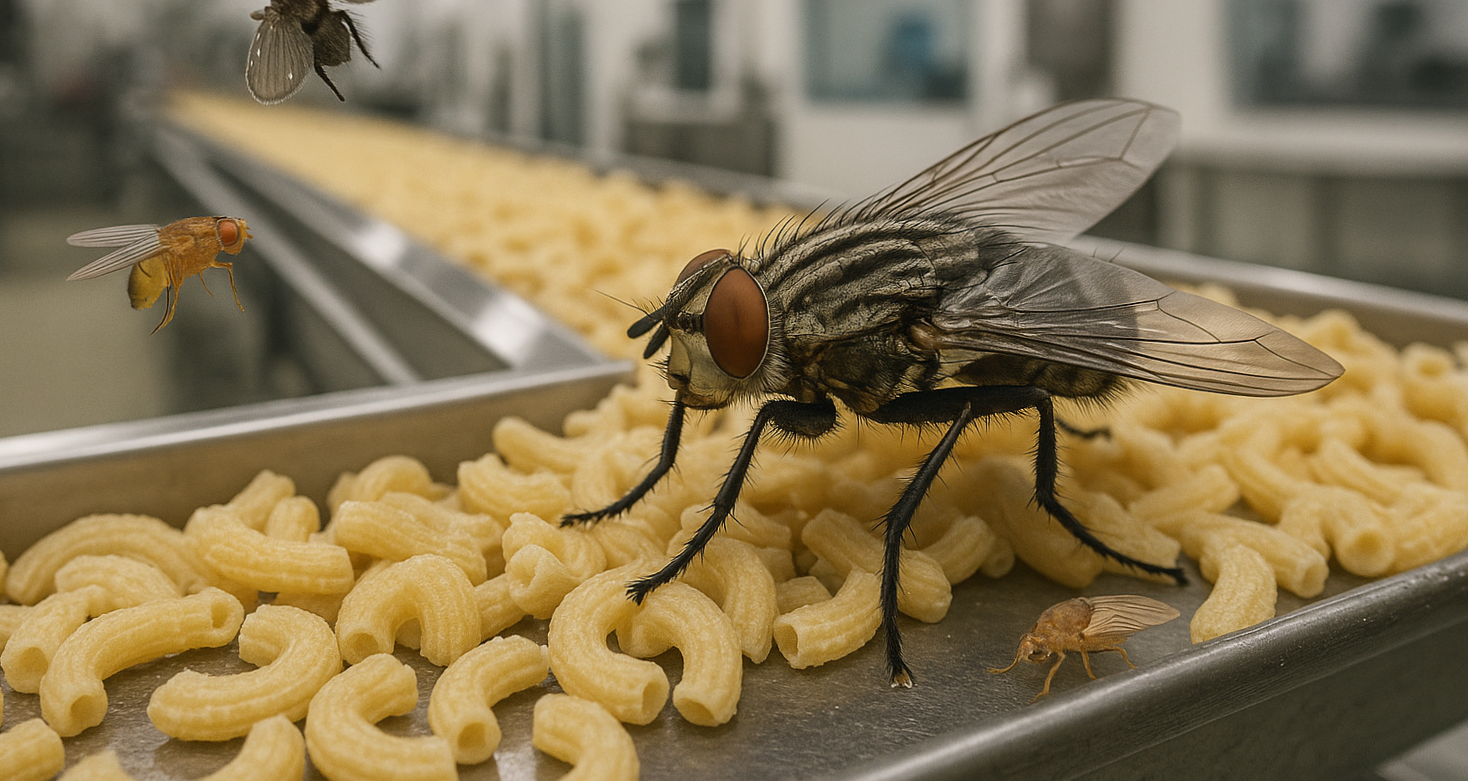
When it comes to pest control in food processing facilities, flies represent far more than a minor nuisance. These seemingly insignificant quarter-inch insects carry a devastating potential for disease transmission and regulatory violations that could shut down operations permanently. Understanding which fly species pose the greatest threat is the first critical step in protecting your facility’s reputation and bottom line.
Food processing environments create the perfect storm for fly infestations, offering unlimited access to food sources, water, and shelter within a single location. The combination of organic materials, moisture, and temperature-controlled environments makes these facilities irresistible to multiple fly species, each presenting unique challenges that require specialized pest management strategies.
Industry experts have identified four primary fly species that consistently target food processing operations across the United States. Each species exhibits distinct behavioral patterns, breeding preferences, and contamination risks that facility managers must recognize to implement effective control measures.
House flies remain the most visible threat in food processing environments. These opportunistic scavengers actively seek out any available food waste, utilizing their specialized feeding mechanism to consume liquid and semi-liquid organic matter. Their ability to rapidly contaminate surfaces and products makes them a primary concern for quality control teams.
Vinegar flies, commonly known as fruit flies, demonstrate a particular attraction to fermenting organic materials. These tiny insects thrive in environments where yeast production occurs naturally, making fruit processing, beverage production, and waste storage areas their preferred breeding grounds.
Drain flies exploit the infrastructure of food processing facilities, establishing colonies within drainage systems, dumpster chutes, and wet processing equipment. Their larvae develop in the organic buildup commonly found in these locations, creating persistent infestations that can be challenging to eliminate.
Phorid flies present perhaps the most concerning threat due to their association with severely contaminated materials. These flies actively seek out decaying organic matter, including rotting produce, meat waste, and sewage, making their presence an immediate indicator of serious sanitation issues.
The key to effective fly management lies in accurate species identification, as each type requires specific treatment protocols and prevention strategies. Generic pest control approaches often fail because they don’t address the unique breeding and feeding behaviors of different fly species.
Professional pest management specialists emphasize that successful fly control programs must combine species-specific treatment methods with comprehensive facility assessments. This approach ensures that both immediate infestations and underlying attractants receive appropriate attention.
Food processing facility managers should establish regular monitoring protocols to detect early signs of fly activity before populations reach problematic levels. Early intervention significantly reduces treatment costs and prevents the regulatory complications associated with pest-related violations during inspections.
Working with experienced pest management professionals ensures that your facility receives targeted treatments designed for your specific fly challenges. These experts can identify breeding sources, implement species-appropriate control measures, and establish prevention protocols that protect your operation’s long-term success.
Main Customer Support (USA)
Call Timing – Monday–Friday: 8am – 8pm
Saturday–Sunday: 9am – 6pm
Call Us – +1 (833) 246-4565
24/7 Emergency Helpdesk
Call Time – 24/7 All Day
Emergency Line – +1 (833) 974-5257
Nationwide Pest Control Assistance
For immediate help anywhere in the USA, contact:
+1 (833) 246-4565
or reach our emergency hotline at +1 (833) 974-5257
Don’t let fly infestations compromise your food processing operation’s safety standards and regulatory compliance. Contact our professional pest management team today to schedule a comprehensive facility assessment and develop a customized control strategy that protects your business from these persistent threats.
About the Author