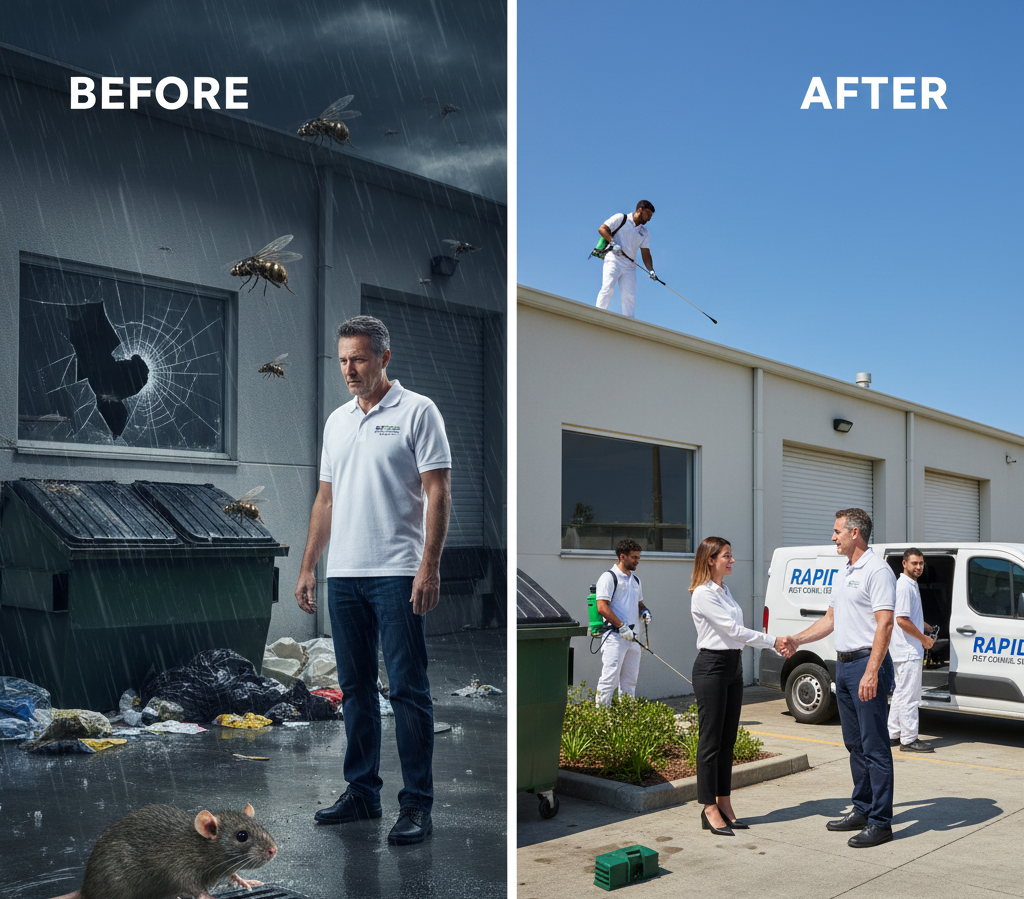
When running a business, dealing with flying pests can quickly become a nightmare that damages your reputation and threatens public health. Professional pest control services across the USA receive countless questions about commercial fly control, especially during peak summer months when these persistent insects are most active.
Flies aren’t just a nuisance – they’re filthy disease carriers that can contaminate your facility, food supply, and put both staff and customers at serious risk. Understanding these pests is your first line of defense against costly infestations that could shut down your operations.
Our expert pest control team has compiled the nine most frequently asked questions about commercial fly control, providing you with professional insights that could save your business thousands in damage and lost revenue.
Need immediate assistance? Call us at +1 (833) 246-4565
Monday-Friday: 8am-8pm | Saturday-Sunday: 9am-6pm
For urgent pest control emergencies: +1 (833) 974-5257 (24/7 All Day)
1. What Makes Flies Different From Other Commercial Pests?
Flies represent one of nature’s most adaptable and dangerous pest groups for businesses. Unlike other insects, flies deposit thousands of bacteria every time they land on surfaces in your facility. These disease-carrying pests will feed on virtually anything – from garbage and sewage to decaying matter and feces.
What makes flies particularly threatening to commercial operations is their incredible breeding speed. Under optimal conditions, certain fly species can lay hundreds of eggs within just weeks, turning a minor problem into a major infestation that requires immediate pest exterminator intervention.
2. Where Do Commercial Fly Infestations Originate?
Professional pest control companies know that flies are highly location-specific based on species. Understanding their preferred habitats is crucial for effective pest removal service:
Fruit flies thrive in moist environments around overripe or rotting fruits and vegetables, making restaurant kitchens and food processing facilities prime targets. Meanwhile, drain flies prefer semi-aquatic environments like septic systems and sewer areas, often breeding in organic film buildup within floor drains and rarely used bathroom fixtures.
Temperature and moisture are key factors – flies become particularly active during warmer months with increased precipitation, making summer the peak season for pest control service calls.
3. Why Species Identification Matters for Pest Control Companies
Absolutely – proper species identification is critical for any effective pest control service. Different fly species have distinct preferences for food sources and breeding sites, so your local pest control team must identify the exact species before implementing treatment strategies.
For example, blow flies often indicate a more serious problem. These pests gather in large numbers around animal carcasses, potentially signaling dead rodents trapped in wall voids or attics. This is why professional pest exterminator services always begin with thorough species identification.
4. The Real Business Impact of Fly Infestations
Beyond reputation damage, fly infestations pose significant public health risks that can result in costly lawsuits and regulatory shutdowns. Filth flies – including house flies, blow flies, and flesh flies – are known disease carriers that spread food-borne parasitic infections.
These pests feed on contaminated materials and easily transmit dangerous pathogens like Salmonella, E. coli, and other harmful bacteria to food, surfaces, and even human skin. Certain species also carry respiratory infection-causing diseases and food poisoning bacteria – making immediate pest exterminator intervention essential.
5. What Attracts Flies to Commercial Properties?
Professional pest control near me services know that flies are attracted to moist environments with decaying organic matter. They typically lay eggs in rotting food, waste materials, and trash receptacles. Even businesses that don’t prepare food can attract flies through entry points like loading docks, storage areas, and main entrances.
Flies are also drawn to areas with direct sunlight and warmer indoor environments, particularly kitchens and bathroom facilities. Open garbage containers and improperly stored food are primary attractants for most species.
Key Attractant Smells Include:
• Decaying organic matter (rotting food, dead animals, manure)
• Fermenting liquids (beer, wine, vinegar, sugary beverages)
• Garbage and general waste
• Strong, sweet-smelling fruits
These odors signal potential food sources and breeding grounds, drawing flies from considerable distances.
6. Best Prevention Strategies from Professional Pest Control Services
The best pest control service approaches focus on prevention rather than reactive treatment. Since flies target decomposing organic matter, proper waste management and facility maintenance are your primary defenses:
Essential Prevention Measures:
• Routine removal of indoor and outdoor trash
• Maintaining clean, covered garbage containers
• Proper disposal of rotting food materials
• Regular kitchen cleaning to eliminate food debris
• Positioning dumpsters as far from buildings as possible
• Ensuring proper drain function and cleanliness
• Regular sanitization of garbage disposals and drainage systems
• Keeping exterior doors and windows closed when not in use
• Regular inspection and maintenance of window seals
Professional residential pest control and commercial pest control services often recommend installing air curtains and wall-mounted insect light traps as additional preventive measures.
7. Understanding Professional Fly Light Trap Technology
Modern pest control companies utilize advanced LED Insect Light Traps (ILTs) for effective fly monitoring and control. These devices attract flies using specialized ultraviolet (UV) light and capture insects with internal, non-toxic sticky boards.
Professional pest exterminator near me services strategically place ILTs near facility entrances and areas prone to flying insects, such as food processing rooms. However, ILTs are most effective as part of comprehensive integrated fly control programs designed by experienced pest control specialists.
8. Identifying Maggots and Understanding Their Rapid Appearance
Maggots represent the larval stage of flies and appear as small, white or cream-colored, legless creatures with tapered bodies. They have pointed head ends and blunt rear ends, often appearing wriggly and slimy.
Many business owners wonder how maggots seem to appear overnight. The reality is that flies lay eggs on decaying organic matter, and these eggs hatch into larvae within just 24 hours. Since flies are small and often go unnoticed, maggots can seem to materialize from nowhere when they’ve actually developed from previously laid fly eggs.
9. Professional Pest Control Treatment Options
Professional pest control services prioritize Integrated Pest Management (IPM) approaches over traditional chemical treatments. However, severe infestations may require targeted intervention using fly baits, residual treatments, or specialized non-residual options.
One innovative solution is professional Small Fly Foam Service – a bioremediation technique that dissolves debris and greasy buildup to eliminate fly food sources and breeding sites, effectively disrupting the fly lifecycle.
After source identification and treatment, professional pest removal services provide exclusion services to fortify your facility against future infestations through hole sealing, door sweep installation, screen replacement, and vent cover repairs.
Professional Commercial Fly Control Solutions
Remember that flies typically indicate larger sanitation or maintenance issues within your facility. Working with experienced pest control companies ensures proper source identification and implementation of custom preventive measures tailored to your specific business needs.
The best pest control service providers offer comprehensive facility inspections, ongoing monitoring, and integrated treatment programs designed to protect your business reputation and ensure regulatory compliance.
Don’t let flies damage your business reputation – contact our professional team today:
Call +1 (833) 246-4565 for standard pest control service
Monday-Friday: 8am-8pm | Saturday-Sunday: 9am-6pm
Emergency pest control: +1 (833) 974-5257
Available 24/7 for urgent pest control situations
Our experienced team provides same day exterminator services, weekend pest control, and after hours pest control to ensure your business stays protected around the clock. We offer both residential pest control and commercial pest control solutions, including specialized services for ant control service, termite control service, bed bug treatment, and comprehensive pest removal service.
Whether you need routine pest control near me or emergency exterminator services, our rapid pest control service team is equipped to handle any infestation quickly and effectively. Contact us today for immediate pest removal and long-term protection strategies that keep your business running smoothly.
About the Author