
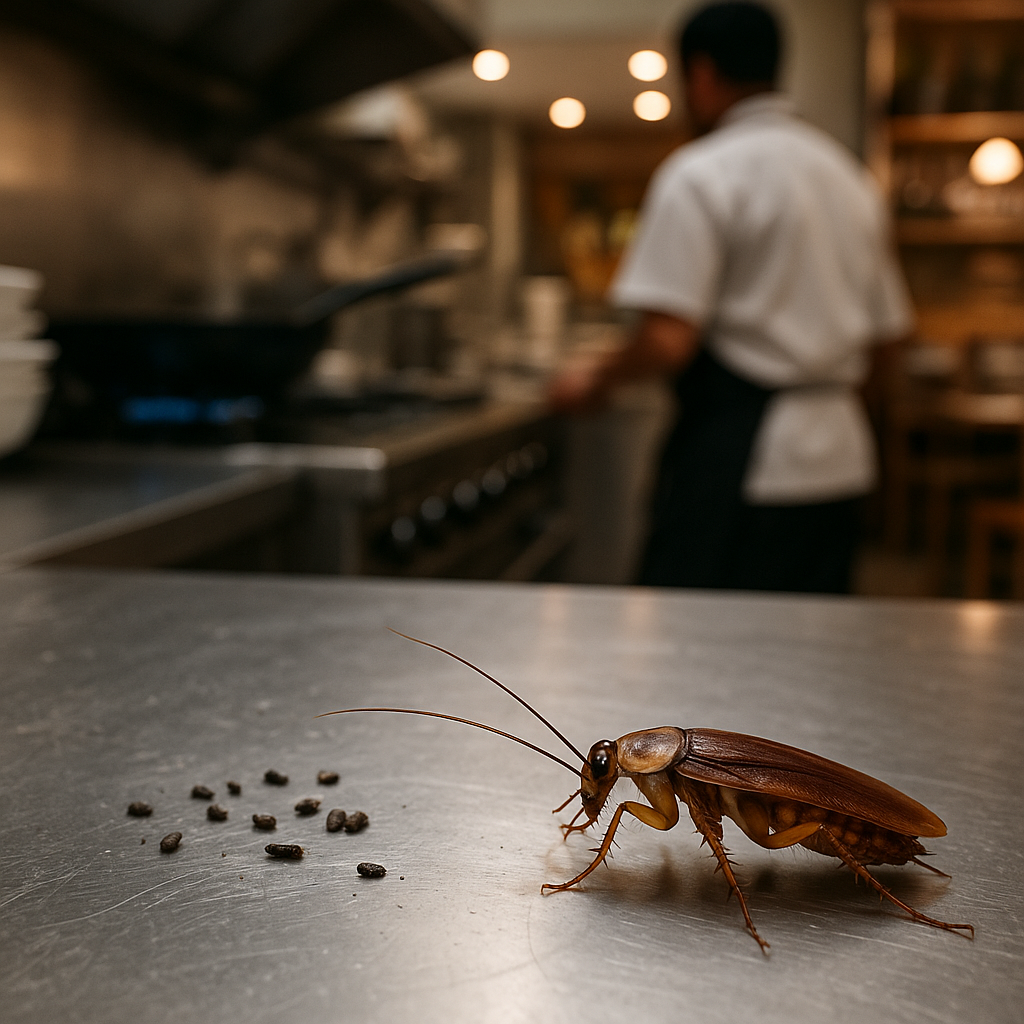
Restaurant owners might dismiss cockroaches as just another nuisance, but these resilient pests pose serious threats that can devastate food service businesses. These remarkable survivors can live headless for an entire week, hold their breath underwater 15 times longer than humans, and withstand extreme radiation levels that would be fatal to people within minutes. Their extraordinary survival abilities make them particularly dangerous in commercial food environments.
The comeback cockroach brings significant risks to restaurant operations. For comprehensive protection strategies against this persistent pest, industry professionals recommend downloading specialized guides on cockroach control and prevention measures.
Recognizing Cockroach Infestation Warning Signs in Food Service Establishments
Cockroach infestations in restaurants and commercial food facilities can severely compromise food safety standards and damage business reputations. Early detection is crucial for swift intervention. Restaurant managers should watch for these key indicators:
Visible cockroaches, particularly during daylight hours, typically signal a severe infestation. Live or dead specimens found in dining or kitchen areas require immediate attention from professional pest control services.
Small, dark droppings resembling coffee grounds or ground pepper indicate active cockroach presence. These waste products commonly appear near food storage areas, behind equipment, and in dark corners.
Reddish-brown, oval-shaped egg casings discovered in hidden locations signal active breeding populations. These cases often appear behind appliances, in storage areas, and within wall cracks.
Strong, musty odors frequently accompany large cockroach populations. This distinctive smell becomes more pronounced as infestation levels increase.
Dark, irregular smear marks on walls, floors, and surfaces where cockroaches frequently travel provide clear evidence of pest activity. These marks typically appear along baseboards and near food preparation areas.
Discarded exoskeletons indicate growing cockroach populations. As these pests mature, they shed their outer shells, leaving behind clear evidence of their presence.
Gnaw marks or holes in food containers and packaging demonstrate cockroach feeding activity. Check storage areas regularly for compromised food supplies.
Dark stains around cracks, crevices, and corners, especially in kitchen environments, may indicate established cockroach populations. These fecal stains concentrate in areas of high pest activity.
Identifying these warning signs early proves essential for maintaining food safety standards and protecting business reputations from potential health code violations.
Three Critical Ways Cockroaches Impact Restaurant Operations
Food service establishments need compelling reasons to prioritize cockroach control. Consider these three significant threats cockroaches pose to restaurant businesses:
Serious Health and Safety Concerns
Cockroaches carry more than 45 dangerous pathogens, including E. coli, Staphylococcus, and Salmonella. These resilient pests spread harmful bacteria from contaminated surfaces to clean food preparation areas, creating serious foodborne illness risks.
Commercial kitchen dust and debris often contain cockroach body parts, shed exoskeletons, and droppings. Exposure to these remnants can trigger allergic reactions in the 25 million Americans affected by allergies and may escalate to asthma symptoms in sensitive individuals.
Devastating Reputation Damage
Customer reactions to cockroach sightings can destroy restaurant reputations overnight. Patrons who witness these pests often share negative experiences on review platforms, social media, and word-of-mouth networks.
For regulated food service environments, cockroach problems frequently result in failed health inspections, low safety scores, and lost audit points. These official violations become public record and can severely impact customer confidence.
Extensive Property and Product Contamination
Cockroaches consume virtually any organic material, making restaurant food supplies, ingredients, and stored products vulnerable to contamination. These opportunistic feeders target everything from fresh produce to dry goods storage.
Beyond internal contamination, cockroaches often infiltrate establishments through delivered packages, supply shipments, and vendor deliveries. This external introduction method makes prevention particularly challenging for busy restaurants.
Comprehensive Cockroach Prevention Strategies for Food Service Businesses
Preventing cockroach infestations requires proactive, systematic approaches tailored to restaurant environments. Implement these essential prevention strategies:
Maintain rigorous cleanliness standards by cleaning and sanitizing all surfaces, equipment, and storage areas regularly. Remove food debris, spills, and grease immediately, as these materials attract cockroaches to food preparation areas.
Store all perishable items in airtight containers positioned at least six inches above floor level. Inspect incoming food shipments thoroughly for pest signs before bringing materials into kitchen areas.
Seal potential entry points including wall holes, pipe cracks, vent gaps, and door spaces. These access points provide cockroaches easy infiltration routes into restaurant facilities.
Implement effective waste management using tightly sealed containers with secure lids. Empty trash receptacles frequently and maintain clean, well-positioned outdoor dumpsters away from building structures.
Schedule routine pest inspections to identify and address cockroach activity early. Train staff members to recognize infestation signs including droppings, egg casings, and shed exoskeletons.
Position equipment properly by sealing units to floors or elevating them six inches above ground level. This configuration facilitates thorough cleaning and eliminates cockroach hiding spots.
Remove cardboard boxes immediately after unpacking deliveries, as these materials create ideal cockroach harborage areas. Dispose of packaging materials in exterior containers away from food preparation zones.
Educate staff on proper hygiene, food handling, and pest prevention practices. Encourage employees to report pest sightings immediately for rapid response intervention.
Partner with licensed pest control professionals for regular inspections and customized preventive treatments designed specifically for food service environments.
Following these comprehensive prevention strategies significantly reduces cockroach infestation risks while maintaining clean, safe environments for food preparation and customer service.
Professional pest control services provide specialized expertise in restaurant cockroach management, including targeted treatment programs, ongoing monitoring systems, and compliance support for health department regulations.
Main Customer Support (USA)
Call Timing – Monday–Friday: 8am – 8pm
Saturday–Sunday: 9am – 6pm
Call Us – +1 (855) 629-1478
24/7 Emergency Helpdesk
Call Time – 24/7 All Day
Emergency Line – +1 (833) 974-5257
Nationwide Pest Control Assistance
For immediate help anywhere in the USA, contact:
+1 (855) 629-1478
or reach our emergency hotline at +1 (833) 974-5257
Restaurant pest control, commercial cockroach extermination, food safety pest management, kitchen pest prevention, restaurant health code compliance, commercial pest inspection services, food service bug control, restaurant sanitation pest control, commercial kitchen cockroach treatment, professional restaurant pest elimination, food establishment pest prevention, commercial dining pest management, restaurant cockroach inspection, and comprehensive food service pest solutions represent critical components of successful restaurant operations in today’s competitive food service industry.

Cruise Booking Specialist
Vishal Shimpi is a Cruise Booking specialist with 10 years of experience. He guides travelers to find the best cruise packages and onboard amenities.