When it comes to protecting your commercial facility, some pests pose a far greater threat than others. Every pest seeks the same three basics: food, water, and shelter. But with the abundance of raw materials and food products in your facility, certain invaders become particularly aggressive and determined to establish themselves in your operation.
The key to effective facility protection lies in understanding which pests are most likely to target your business and recognizing the early warning signs of their presence. Based on extensive field experience across American facilities, we’ve identified the three most dangerous pests that can seriously damage your audit grades and operational integrity.
Main Customer Support (USA)
Call Timing – Monday–Friday: 8am – 8pm
Saturday–Sunday: 9am – 6pm
Call Us – +1 (833) 246-4565
Cockroaches: The Ultimate Facility Infiltrators
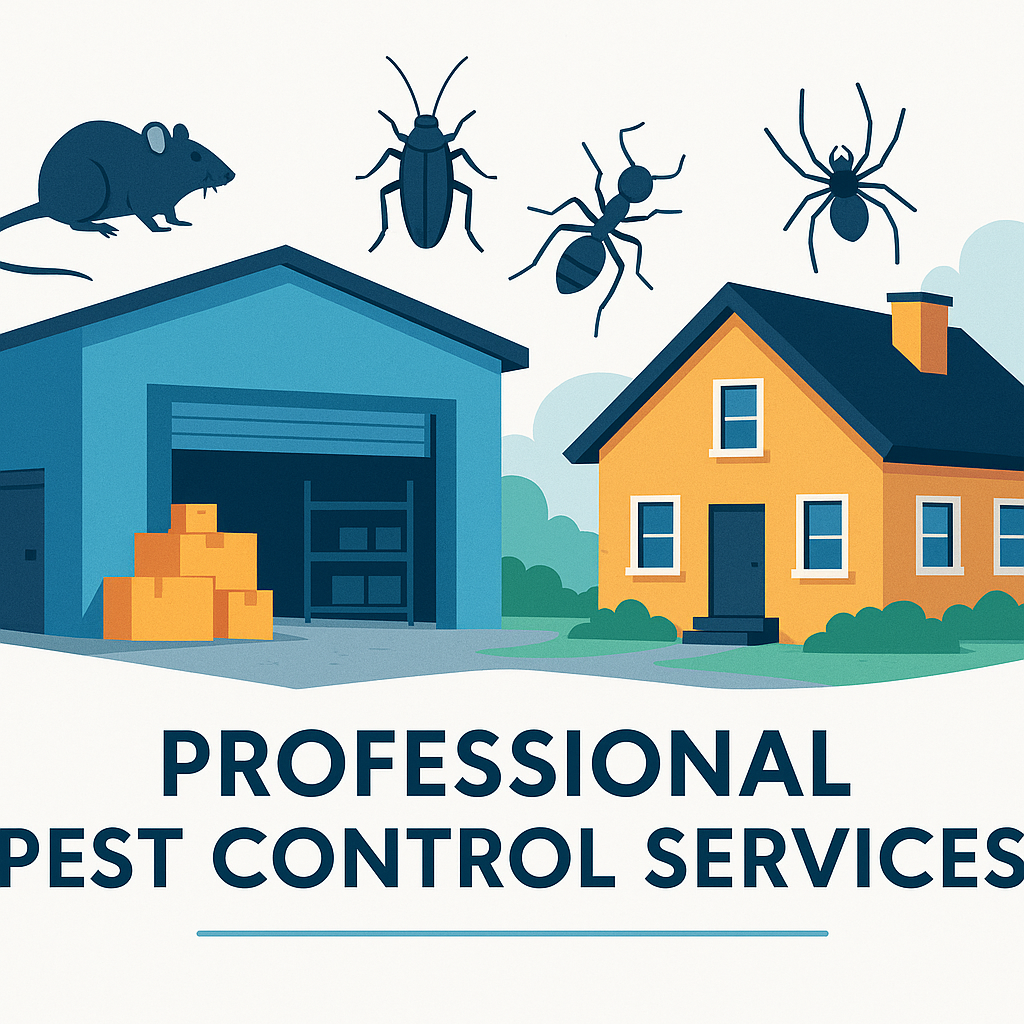
These remarkably adaptable insects represent one of the most serious threats to any American facility. Cockroaches can squeeze through gaps as small as a nickel and consume virtually anything – including the glue binding your cardboard storage boxes. Their ability to carry and transfer harmful bacteria from surface to surface makes them particularly dangerous in food processing and healthcare environments.
What makes cockroaches especially problematic is the evidence trail they leave behind: droppings, empty egg cases, and cast skins that contaminate your facility long after the initial infestation. A single cockroach sighting often indicates a much larger hidden population, making immediate professional intervention crucial.
Rodents: Master Facility Engineers
Rats and mice possess extraordinary physical capabilities that allow them to access nearly any area of your facility. These agile climbers, swimmers, and burrowers can run across electrical wires, scale vertical walls, and squeeze through openings smaller than a quarter.
The structural damage rodents cause extends far beyond simple gnawing. They systematically destroy cardboard packaging, wooden pallets, storage containers, and can even chew through concrete walls when motivated by food sources. Their urine and droppings create serious health hazards and can transmit dangerous diseases throughout your facility.
24/7 Emergency Helpdesk
Call Time – 24/7 All Day
Emergency Line – +1 (833) 974-5257
Ants: The Organized Invasion Force
Don’t underestimate these tiny invaders based on their size. Ants represent the planet’s number one structural pest, and for good reason – they outnumber humans by an astounding ratio of 14,000 to 1. Operating in highly organized colonies, ants function as coordinated teams that can overwhelm facility defenses through sheer numbers and persistence.
Their small size allows them to infiltrate through microscopic cracks and crevices, while their systematic approach to food gathering means they’ll establish permanent trails throughout your facility. The bacteria they carry on their bodies can contaminate surfaces, equipment, and products, creating serious compliance issues for regulated industries.
Professional Protection Strategies for American Businesses
Modern pest control goes far beyond simple extermination. Today’s commercial pest management focuses on comprehensive integrated pest management (IPM) strategies that combine prevention, monitoring, and targeted treatment protocols specifically designed for American business environments.
Effective facility protection requires understanding pest behavior patterns, identifying high-risk areas within your operation, and implementing proactive monitoring systems that detect problems before they become crises. Professional pest control technicians use advanced tools and techniques unavailable to general facility maintenance staff.
Critical Risk Areas in Your Facility
Certain areas of your facility naturally attract pest activity due to environmental conditions, food sources, or structural characteristics. Loading docks, break rooms, food storage areas, waste management zones, and utility corridors typically require enhanced monitoring and protection protocols.
Understanding these vulnerability points allows you to focus your pest prevention efforts where they’ll have maximum impact. Regular professional inspections can identify potential problems before they develop into full-scale infestations that threaten your operations and compliance status.
Nationwide Pest Control Assistance
For immediate help anywhere in the USA, contact:
+1 (833) 246-4565
or reach our emergency hotline at +1 (833) 974-5257
The Cost of Pest-Related Compliance Failures
Failed audits, product recalls, facility shutdowns, and regulatory penalties can cost American businesses hundreds of thousands of dollars in direct expenses, not counting the long-term damage to brand reputation and customer relationships. The investment in professional pest control services represents a fraction of potential failure costs.
Modern consumers and regulatory agencies maintain zero tolerance for pest-related contamination issues. A single social media post about pest problems can damage years of reputation building, while regulatory violations can result in facility closures and expensive remediation requirements.
Choosing the Right Pest Control Partner
Selecting a qualified commercial pest control provider requires careful evaluation of their experience with your industry, their service protocols, and their ability to provide comprehensive documentation for audit purposes. Look for providers who understand the specific challenges facing American businesses in your sector.
The best pest control partnerships combine regular preventive service with emergency response capabilities, detailed reporting systems, and ongoing consultation to help you maintain optimal facility conditions. Your pest control provider should function as an extension of your facility management team.
Maintaining Year-Round Protection
Effective pest control isn’t a one-time solution – it requires consistent monitoring, seasonal adjustments, and proactive maintenance throughout the year. Different pests become active at different times, and your protection strategies must adapt to changing conditions and emerging threats.
Professional pest control services provide the expertise, equipment, and consistency necessary to maintain facility protection standards that meet or exceed regulatory requirements. Don’t wait for pest problems to develop – proactive protection is always more effective and cost-efficient than reactive treatments.
Remember: in today’s competitive business environment, your quality standards can’t accommodate pest-related compromises. Professional pest control protection isn’t just about eliminating current problems – it’s about safeguarding your facility’s future success and maintaining the trust your customers place in your operation.
About the Author