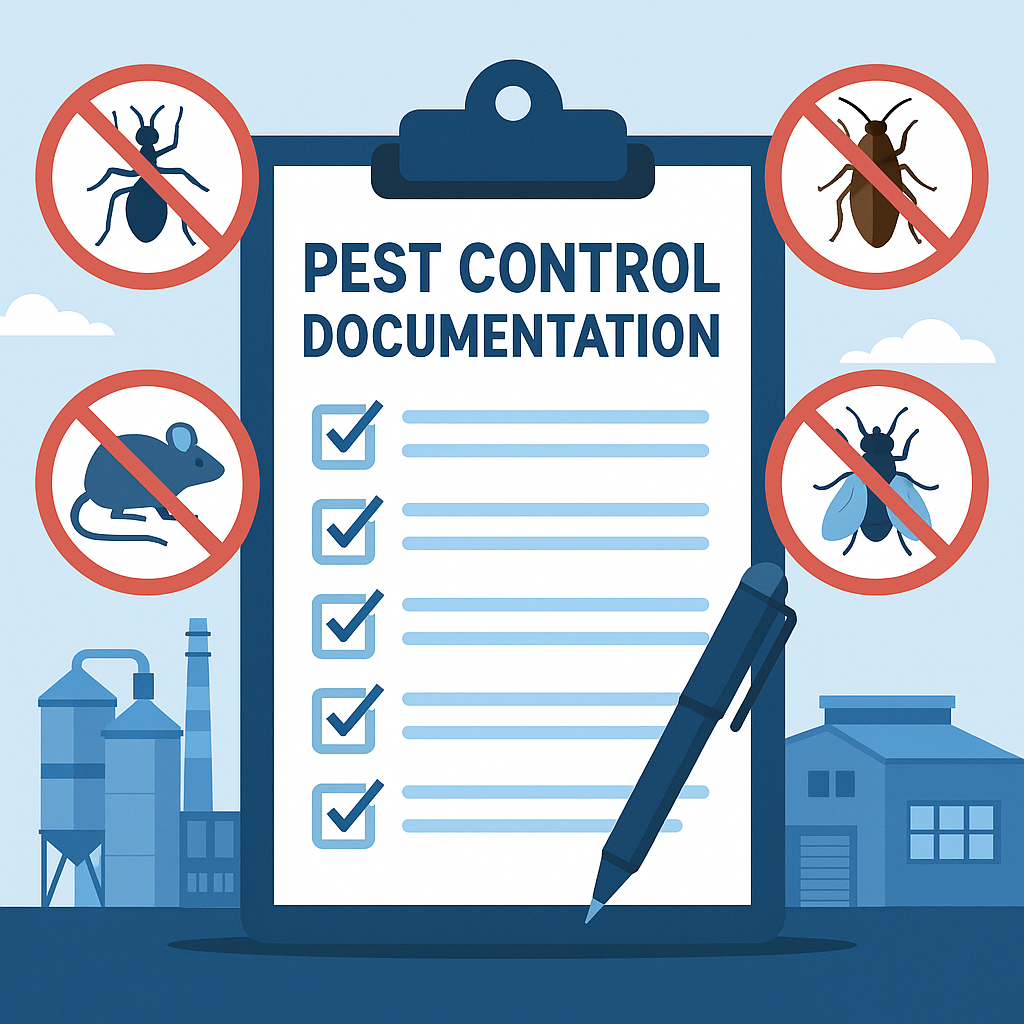
When you’re managing a food processing facility in the United States, maintaining proper pest control documentation isn’t just good practice—it’s absolutely critical for passing third-party audits and protecting your business reputation. As someone who’s covered the pest control industry extensively, I can tell you that inadequate documentation is one of the fastest ways to fail an audit and face serious consequences.
Effective pest management in food processing facilities requires a comprehensive Integrated Pest Management (IPM) approach. This means tracking every aspect of your pest control efforts, from initial sightings to corrective actions taken. The documentation you maintain serves dual purposes: it helps you monitor trends and make informed decisions about your pest management program, while also demonstrating compliance during crucial third-party audits.
The stakes couldn’t be higher. Poor documentation during an audit can result in lower scores, which can damage your facility’s reputation and potentially impact your ability to do business with major clients. That’s why every food processing manager needs to understand exactly what documentation auditors expect to see.
Main Customer Support (USA)
Call Timing – Monday–Friday: 8am – 8pm
Saturday–Sunday: 9am – 6pm
Call Us – +1 (833) 246-4565
The Essential Pest Sighting Log
The foundation of audit-ready documentation is a comprehensive pest sighting log. This isn’t just a casual record—it needs to be detailed, accurate, and complete. Every time your staff reports pest activity at your processing plant, that information must be catalogued immediately.
A proper pest sighting log should include specific details about each occurrence: the exact date and time of the sighting, the type of pest observed, the precise location within your facility, and most importantly, what corrective actions were taken to prevent future occurrences. Remember, auditors are looking for evidence that you not only identify problems but also take concrete steps to resolve them.
Here’s a crucial point that many managers miss: your pest sighting log needs corresponding documentation of corrective measures. It’s not enough to simply note that you saw a rodent in the storage area—you need to document what you did about it, when you did it, and whether those actions were effective.
24/7 Emergency Helpdesk
Call Time – 24/7 All Day
Emergency Line – +1 (833) 974-5257
Detailed Service Reports from Your Pest Control Provider
The second critical piece of documentation auditors will request is detailed service reports from your professional pest management provider’s visits. These reports go beyond basic pest sightings to provide comprehensive information about pest activity findings and facility vulnerabilities.
Quality service reports should document several key elements. First, they should identify clear indicators of pest presence, including physical evidence like gnawing marks, shell casings, droppings, and nesting materials. Second, they should highlight facility vulnerabilities such as cracks in walls, crevices around equipment, water leaks, or other conditions that could attract or harbor pests.
Most importantly, these reports must explain the corrective measures that were implemented and evaluate whether those actions successfully resolved the identified pest issues. This creates a complete picture of your facility’s pest management efforts for auditors to review.
Meeting Today’s Pest Control Standards
Modern food processing facilities face increasing scrutiny from auditors, regulatory bodies, and clients who demand the highest standards of pest management. The pest control industry has evolved significantly, with new technologies and approaches making it possible to achieve better results while maintaining detailed documentation.
Professional pest control services today utilize advanced monitoring systems, digital reporting platforms, and integrated pest management strategies that make documentation more comprehensive and accessible than ever before. These tools help ensure that your facility maintains the detailed records auditors expect while also improving your overall pest management effectiveness.
Nationwide Pest Control Assistance
For immediate help anywhere in the USA, contact:
+1 (833) 246-4565
or reach our emergency hotline at +1 (833) 974-5257
Preparing for Audit Success
While multiple factors can influence third-party audit outcomes, being properly prepared with comprehensive documentation gives you the best chance of achieving perfect scores. The key is consistency—maintaining detailed records shouldn’t be something you only worry about when an audit is approaching.
Successful food processing managers treat documentation as an ongoing process that’s integrated into their daily operations. They work closely with their pest control providers to ensure that every service visit results in detailed reports, and they train their staff to recognize and properly document any pest activity they observe.
The investment in proper documentation pays dividends not only during audits but also in your day-to-day pest management efforts. When you have comprehensive records, you can identify trends, spot recurring problems, and make data-driven decisions about your pest management strategy.
Taking Action Today
Don’t wait until your next audit to address documentation gaps in your pest management program. Professional pest control companies across the United States offer comprehensive documentation services that can help ensure your facility meets the highest audit standards.
Whether you’re dealing with rodent control challenges, concerns about stored product pests, or need a complete integrated pest management overhaul, the right documentation strategy is essential for long-term success. Remember, in the food processing industry, effective pest management documentation isn’t just about passing audits—it’s about protecting your reputation, your products, and your customers.
Contact professional pest control services today to discuss how proper documentation can strengthen your pest management program and help ensure audit success. With the right approach and comprehensive records, you can demonstrate your commitment to the highest standards of food safety and pest control.
About the Author